Autonomous cars will reach sales of 24 million units in 2030
-

- Tweet
- Pin It
- Condividi per email
-
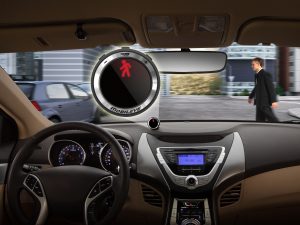
According to a new research report from Berg Insight, the first autonomous cars will debut in 2020. The total number of new registrations of autonomous cars is forecasted to grow at a compound annual growth rate (CAGR) of 62 percent from 0.2 million units in 2020 to reach 24 million units in 2030.
The active installed base of autonomous cars is forecasted to have reached about 71 million at the end of 2030. . It is important to note that autonomous cars are not a single innovation; rather this technology can be seen as a continuum of various levels of autonomy where the amount of driver involvement is the main differentiating factor. Furthermore, several sophisticated technologies must come together to enable a car to safely drive by itself and autonomous cars will therefore roll out in incremental phases. In particular, software for interpreting sensor information and managing the driving logic is key to the development of self-driving cars.
Several automobile manufacturers have initiated projects to develop self-driving features in their cars. The incumbent automakers are joined by multiple new actors such as IT companies and other technology-oriented firms. Most incumbent automotive companies pursue an incremental approach with step-by-step roll-out of autonomous systems while startups and IT companies take a more revolutionary direction and aim at developing fully autonomous cars immediately from scratch. “These pathways do not contradict each other as different autonomous systems are suitable in different use cases. We will continue to see development from both sides for still some years before the two approaches converge”, says Ludvig Barrehag, M2M/IoT analyst at Berg Insight.
The advent of autonomous cars is expected to have a tremendous impact on our society in several ways. Cars are among the most costly as well as inefficiently used assets of today. When cars can operate around the clock on a service based business model it results in a tremendous increase of their utilization rate. Furthermore, autonomous cars will improve life quality for people unable to drive, reduce the number of fatalities and accidents in road traffic and increase overall traffic efficiency. The economic benefits are vast – the challenge is to succeed in making self-driving cars sufficiently reliable at a reasonable cost to enable commercialization.
ap
Contenuti correlati
-
 Misurare i consumi di elettricità, gas e acqua in modo intelligente per migliorare efficienza e sostenibilità dei servizi
Il modulo BC660K-GL di Quectel, appositamente progettato per soddisfare le esigenze del mercato dello smart metering, è caratterizzato tra l’altro da bassissimi consumi, un fattore critico per installazioni che devono garantire un funzionamento continuo in un arco...
-
 Prosegue la crescita del mercato dei servizi per le auto connesse
Secondo i dati di un recente report di Berg Insight intitolato “The Global Automotive OEM Telematics Market” il numero di abbonati ai servizi telematici che usano sistemi embedded nelle auto connesse raggiungerà quasi i 340 milioni entro...
-
 Monitoraggio elettronico in ambito penale: previsioni di crescita
Il mercato dei sistemi di monitoraggio elettronico (EM) in ambito penale ha generato 648 milioni di euro nel 2016 in Europa e in Nord America. Lo afferma Berg Insight, che in un recente rapporto prevede una significativa...
-
 Terminali POS – NFC in rapida crescita
Secondo un nuovo rapporto di Berg Insight, il mercato dei terminali POS predisposti all’utilizzo della tecnologia NFC hanno goduto di buona salute per tutto il 2016, con le spedizioni annuali che si prevede raggiungeranno la quota di...
-
 Mercato dei contatori intelligenti in crescita del 105% da qui al 2018
Secondo un nuovo rapporto di Berg Insight, nei prossimi due anni raddoppieranno le spedizioni annuali di contatori intelligenti in Europa. Il mercato ha già accelerato la sua corsa nel 2016 e le vendite dovrebbero raggiungere 13,5 milioni...
-
 Termostati intelligenti nelle case: + 81% in Nord America ed Europa
Secondo un nuovo rapporto di Berg Insight, in Nord America e in Europa il numero di case dotate di un termostato intelligente è cresciuto dell’81% raggiungendo la cifra di 5,8 milioni nel 2015. Il mercato nordamericano ha...
-
 I prodotti consumer domineranno il mercato IoT
Secondo le stime della società di analisi di mercato Berg Insight, 5,9 miliardi di prodotti con microprocessori integrati sono stati venduti nel 2014 in tutto il mondo. L’IoT mette in connessione tra loro questi prodotti, ma anche...
-
 In crescita i dispositivi M2M nel settore retail
Il numero di connessioni M2M nel settore retail ha raggiunto 23,1 milioni in tutto il mondo nel 2014. Lo afferma un recente rapporto realizzato dalla società di analisi e ricerche Berg Insight. La tecnologia M2M consente ai...
-
 Il digital signage farà crescere l’IoT
Nel 2015, le previsioni di crescita del mercato IoT sono nell’ordine del 19%. Secondo quanto emerge dall’ultimo rapporto redatto dalla IDC, la società di analisi e ricerche americana, il mercato dell’ l’internet of Things crescerà in modo...
-
 Automazione industriale: crescono i dispositivi wireless installati
Secondo un nuovo report realizzato dalla società di analisi di mercato Berg Insight, la base installata di dispositivi wireless IoT nell’ambito dell’automazione industriale è stata di 10,3 milioni di unità nel 2014, un numero che è previsto...
Scopri le novità scelte per te
-
Misurare i consumi di elettricità, gas e acqua in modo intelligente per migliorare efficienza e sostenibilità dei servizi
Il modulo BC660K-GL di Quectel, appositamente progettato per soddisfare le esigenze del mercato dello smart metering, è...
-
Prosegue la crescita del mercato dei servizi per le auto connesse
Secondo i dati di un recente report di Berg Insight intitolato “The Global Automotive OEM Telematics Market”...

News/Analysis Tutti ▶
-
 Cosmic Semiconductor Solutions a Pcim Europe 2026
Cosmic parteciperà per la prima volta a Pcim Europe 2026, evento che si terrà a...
-
 29 premi per DigiKey
In occasione dell’EDS Leadership Summit 2026, evento tenutosi dal 18 al 22 maggio a...
-
 Le previsioni di Wsts sui semiconduttori per il 2026
L’organizzazione World Semiconductor Trade Statistics (Wsts) ha rivisto sensibilmente al rialzo le sue previsioni...
Products Tutti ▶
-
 Microchip presenta una serie di DSC essenziali
Microchip Technology ha introdotto una nuova famiglia di Digital Signal Controller (DSC) che permette...
-
 STMicroelectronics integra l’AI nei sensori di vibrazione
IIS3DWB10IS è un nuovo sensore di vibrazione industriale ad alte prestazioni di STMicroelectronics che...
-
 Nvidia: il processore RTX Spark per i PC Windows
Nvidia ha presentato RTX Spark, un nuovo chip progettato per l‘Intelligenza Artificiale, la creazione...